Water Treatment Automation
Water-treatment and reverse-osmosis systems depend on coordinated hydraulic equipment, reliable measurement, controlled sequencing, and clear protection of pumps, membranes, filters, and chemical-treatment stages. The automation design must respond to changing feed conditions while maintaining the operating limits defined by the process and equipment suppliers.
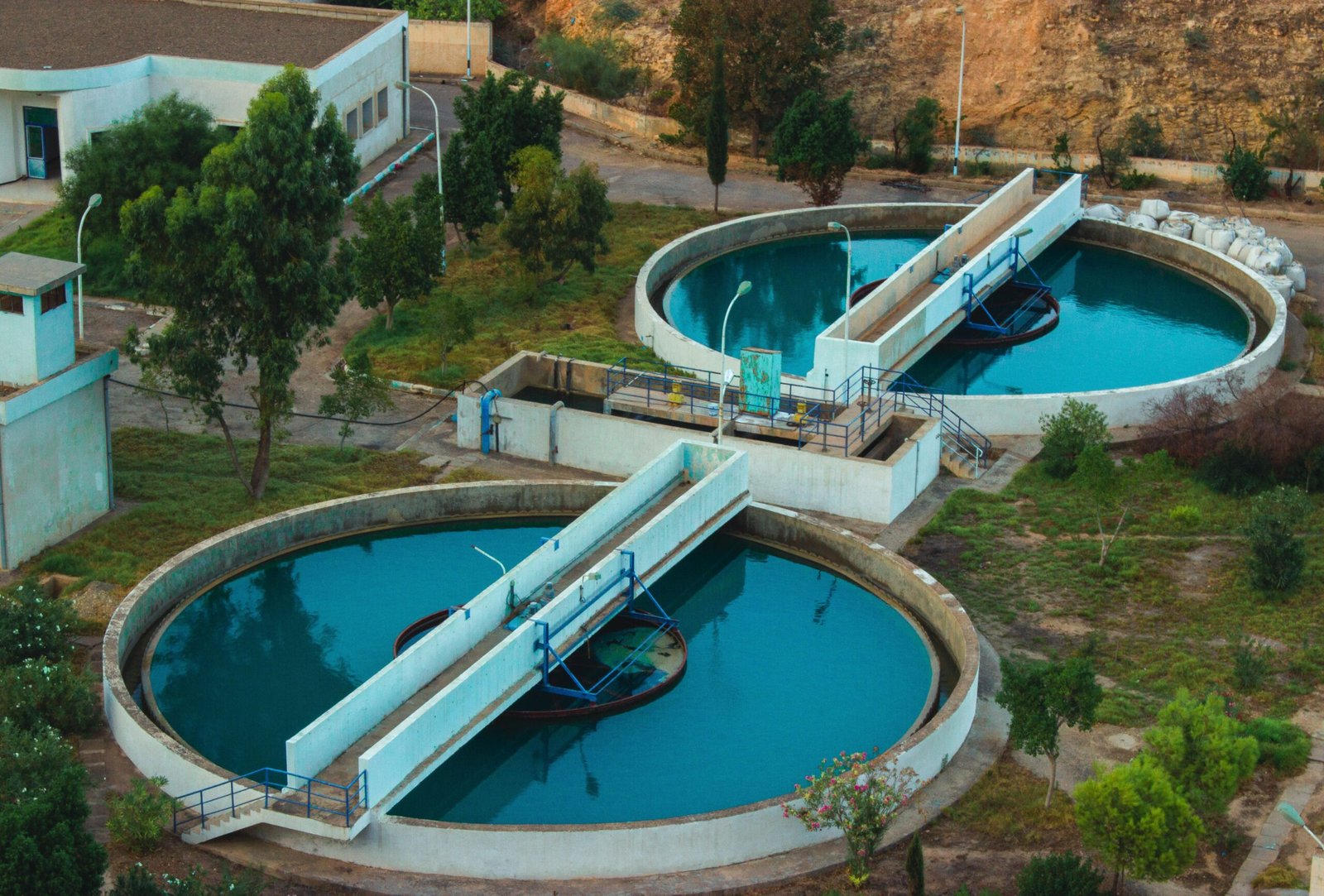
ECCT supports control panels, MCC and VFD integration, PLC/HMI systems, instrumentation interfaces, and commissioning for RO stations, surface-water treatment systems, pumping stages, and associated utilities.
Process Control Basis
The control philosophy is developed from the treatment stages, hydraulic profile, tank capacities, pump duties, valve routes, backwash or cleaning requirements, quality measurements, and availability expectations. Each stage needs defined start conditions, running permissives, normal stop conditions, protective interlocks, alarm consequences, and restart behaviour.
Typical duties may include raw-water transfer, feed and high-pressure pumping, filtration, dosing, membrane operation, permeate transfer, reject handling, tank-level control, backwash, flushing, and duty/standby rotation. The exact sequence depends on the plant; generic pump logic is not sufficient where equipment protection and water quality depend on stage coordination.
Pump and VFD Control
Pump control is developed from the hydraulic requirement. Fixed-speed, duty/standby, lead/lag, and variable-speed arrangements require different logic. VFD control may regulate pressure, flow, or level, with defined minimum and maximum speeds, acceleration and deceleration, sleep/wake behaviour, staging thresholds, and response to transmitter failure.
Dry-run protection, minimum suction level or pressure, discharge-valve proof, high-pressure protection, motor or drive trip, and communication loss are separated so the operator can identify the reason for a stop. Standby transfer should select only equipment that is healthy, available, and permitted by the process.
Instrumentation and Quality Signals
Typical signals include level, pressure, differential pressure, flow, conductivity, temperature, turbidity, pH, and equipment or valve feedback, according to the plant scope. Each signal is reviewed for range, units, mounting, process compatibility, scaling, diagnostics, alarm limits, and use in the sequence.
A quality measurement used to divert water, hold a stage, or confirm production requires a defined fail response and verification method. The HMI should indicate invalid or unavailable measurements rather than continue presenting the last value as valid.
HMI, SCADA, and Alarm Structure
Local HMI screens show treatment-stage state, active flow path, pump and valve status, key measurements, permissive holds, interlocks, and alarm conditions. Larger systems may require SCADA for multi-area supervision, historical trends, alarm history, and reporting.
Alarm priorities are linked to consequence. A monitoring warning, start inhibit, stage hold, and protective trip should be distinguishable. Trends are selected around hydraulic stability, filter condition, membrane or quality performance, tank behaviour, and equipment loading rather than collecting every available tag.
Testing and Commissioning
FAT verifies panel interfaces, pump and valve logic, duty/standby behaviour, analogue scaling, alarm consequences, sequence transitions, manual modes, and communication failures. Site commissioning confirms actual pump direction, hydraulic response, pressure and flow control, level transitions, instrument ranges, backwash or cleaning sequences, and operator procedures.
Final handover aligns PLC and HMI backups, VFD and instrument parameters, setpoints, alarm records, and as-commissioned drawings.
Related Projects: Ain Shams SWTP Control Panel Automation · Sohag Airport SWTP · New Mansoura Reverse Osmosis Station · Gold Factory RO Station · Coca-Cola Qaliob RO Plant 3
Related Services: Control Panels & MCC · Instrumentation · Commissioning & Startup