Wastewater Automation
Wastewater treatment combines continuous hydraulic operation, biological or chemical process requirements, rotating equipment, level-dependent transfer, aeration, dosing, sludge handling, and compliance-related monitoring. The control system must keep treatment stages available, show why equipment is stopped or held, and preserve enough operating history to support diagnosis and performance review.
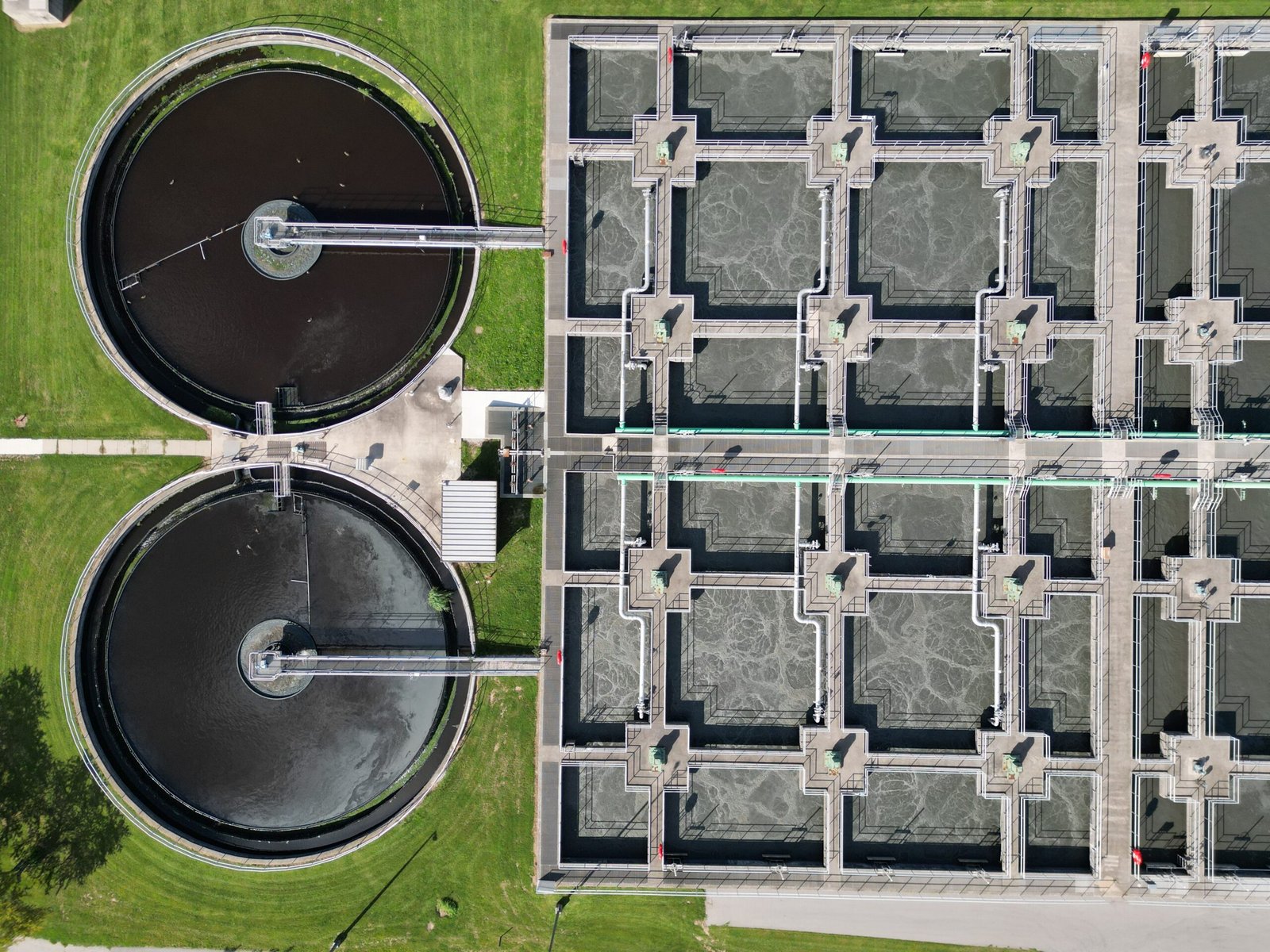
ECCT provides panel, PLC, HMI/SCADA, instrumentation-integration, and commissioning support for wastewater treatment systems and associated pumping and utility functions.
Plant and Sequence Architecture
The automation basis begins with the treatment flow, tank and basin duties, pump and blower schedules, valve routes, instrumentation, process setpoints, and operating philosophy for normal, reduced-capacity, maintenance, and fault conditions.
Typical functions may include inlet and transfer pumping, screening or pretreatment interfaces, equalisation, aeration, recirculation, dosing, clarification, sludge transfer, treated-water handling, and associated utilities. Each function requires defined availability, permissives, interlocks, alarm consequences, and manual-mode limits.
Continuous plant operation often requires degraded modes. The philosophy should define how the plant behaves when one pump, blower, instrument, or communication node is unavailable, and which conditions require a stage hold or controlled shutdown.
Pump, Blower, and Duty/Standby Logic
Duty/standby and lead/lag logic should use equipment health, availability, run hours or start counts, process demand, and maintenance status. Standby transfer needs proof that the selected equipment can run and clear indication when the plant is operating with reduced redundancy.
Level-controlled pumps require anti-cycling, minimum run and stop times, contradictory-switch handling, and a defined response to failed continuous measurement. Blowers or aeration equipment may require staging, VFD control, dissolved-oxygen or pressure feedback, minimum airflow, and equipment-protection constraints according to the process design.
Electrical trips, process interlocks, and maintenance isolation are presented separately to operations.
Instrumentation and Data Quality
Wastewater instruments operate under conditions that may include foam, solids, coating, turbulence, vapour, variable density, and difficult access. Selection and mounting should be reviewed against the actual application. Level, flow, pressure, dissolved oxygen, pH, conductivity, turbidity, and other analytical signals need defined maintenance and fail behaviour as well as electrical integration.
The PLC and HMI should distinguish valid measurement, bad quality, communication loss, underrange, overrange, and maintenance state. A control loop must not continue using an invalid value without an approved fallback strategy.
HMI, SCADA, and Alarm History
Operators need area-level process visibility and equipment-level diagnostic detail. Overview screens should show hydraulic path, tank levels, active pumps or blowers, unavailable equipment, stage holds, and critical measurements. Faceplates should show command, feedback, mode, permissives, trip, and communication condition.
SCADA may provide plant-wide supervision, event and alarm history, trends, and reporting. Alarm design should distinguish process excursions, equipment faults, instrument failures, communication issues, and maintenance events. Historical data should support investigation of level excursions, pump cycling, blower loading, treatment-stage stability, and other approved operational questions.
Verification and Handover
FAT tests normal and abnormal sequences, equipment rotation, duty transfer, level logic, analogue scaling, alarm priorities, communication loss, manual modes, and restart behaviour. Commissioning confirms actual basin response, pump and blower direction, instrument performance, control-loop behaviour, timing, and operator procedures.
Final records align software backups, setpoints, alarm lists, instrument ranges, drive parameters, and as-commissioned drawings. Open limitations and maintenance requirements are transferred explicitly rather than left in commissioning notes.
Related Projects: RAMEDA 6th October WWTP · Sohag Airport SWTP
Related Services: PLC, HMI & SCADA · Instrumentation · Commissioning & Startup